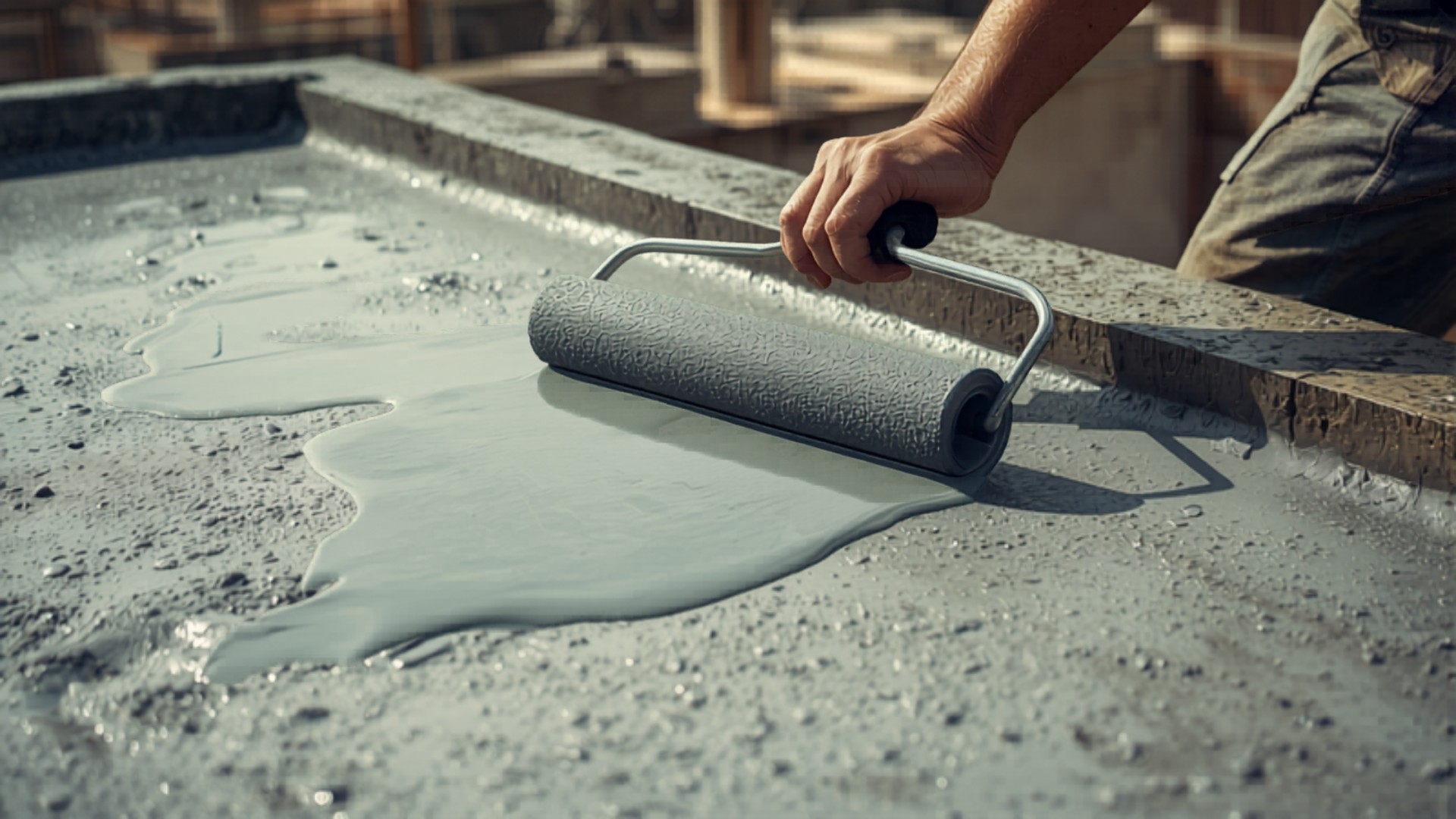
High-performance construction chemicals engineered to enhance workability, strength, and durability. ISO 9001:2015 certified and BIS marked.
Our high-performance concrete admixtures enhance workability, strength, and durability across a spectrum of applications. Formulated with cutting-edge technology and subjected to stringent quality control, these admixtures consistently deliver reliable results from residential projects to major infrastructure.

Sulphonated Naphthalene Formaldehyde based high-range superplasticizer (retarding type), formulated to reduce the water content of a concrete mixture while maintaining constant workability.
Mass concrete pours and pumped concrete with long hauls. Compatible for use in combination with lignosulphonate-based admixtures, air-entraining agents, accelerators, retarders, corrosion inhibitors, and shrinkage-reducing admixtures.
SNF is workable up to M45 grade concrete. Concrete above M45 grade requires hyper plasticizers based on Poly Carboxylate Ether (PCE): sophisticated, high-end superplasticizer components considered superior to any other superplasticizer chemistry.
PCE-based superplasticizers offer water reduction of up to 35% in concrete mixes while maintaining constant workability. The reduced water content increases compressive strength and enhances durability through reduced permeability, making concrete economical and environment friendly as less cement is consumed.
Self-compacting concrete without vibration, lightweight concrete, pervious concrete, underwater concrete, ready-mix, precast concrete, concretes with long hauls, semi-flowing concrete, and congested or complex reinforced sections. For UHPC, HSC, and RPC mixes with low to very low water-binder ratios.
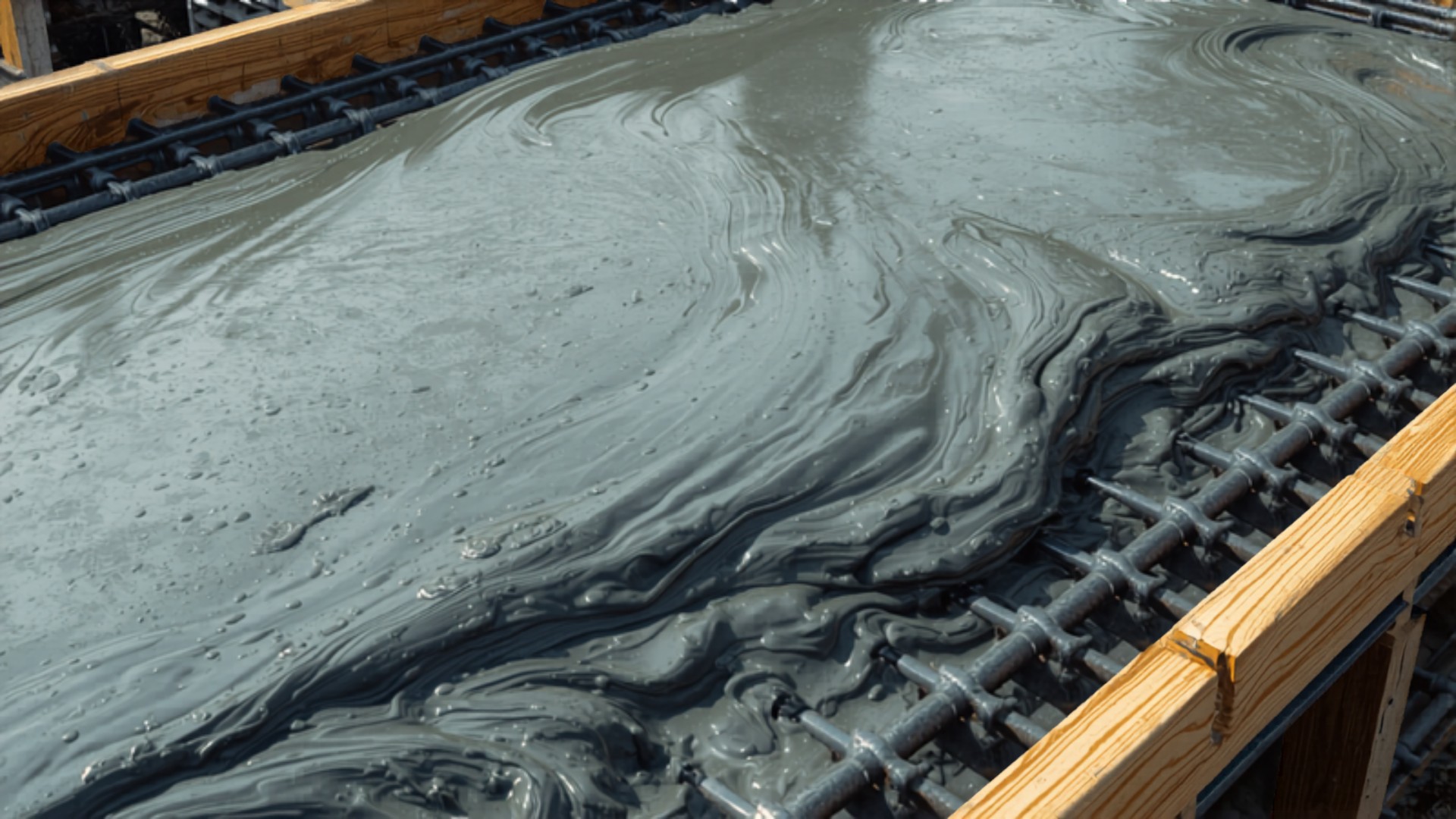
Viscosity-modifying admixtures (VMAs) are essential to control the stability and cohesion of modern concrete. They enhance the stability of the mix by increasing one or several rheological parameters at the same time.
CMATRIX offers excellent stability to hydraulic binder-based materials and aids pumping without segregation. The mix gains the ability to move and consolidate under its own weight without mechanical assistance.
In self-compacting concrete treated with VMAs, the force of the flow aligns VMA molecules in the flow direction. The paste lubricates the aggregates, reduces aggregate interlocking and internal friction, and enhances flowability.
CBS's viscosity modifying admixtures conform to the performance requirements defined by the EFNARC VMA Guidelines.
An admixture which delays the setting of cement paste, and hence of mixtures such as mortar or concrete. It decreases the initial rate of reaction between cement and water, thereby retarding the setting of concrete.
It functions by coating the surface of C3S (tricalcium silicate) components, delaying their reaction with water. Since the rate of stiffening can be too fast in tropical climates like India's, the concrete gains sufficient time for transportation and placement before setting.
The retarder forms a film around the cement grain that delays the reaction with water; after some time this film breaks and normal hydration takes place. With increased slump, workability can be improved at the same water-cement ratio, or strength increased by reducing the water-cement ratio without loss of workability.
Set-accelerating admixtures that catalyse early cement hydration, significantly accelerating setting and early strength development. Particularly valuable in precast manufacturing and projects with tight construction schedules.
Corrosion-inhibiting admixtures protect embedded steel reinforcement from chloride-induced corrosion, one of the primary causes of premature deterioration in concrete structures, particularly in marine and coastal environments.
Our advanced waterproofing portfolio provides multi-level protection against water ingress and moisture-related deterioration. From foundations to rooftops, these integrated systems create truly watertight concrete structures, engineered for both positive and negative hydrostatic pressure.
Concrete is inherently porous and has numerous microcracks in its matrix, making it vulnerable to the ingress of water and other aggressive fluids, the primary cause of chemical and physical degradation of concrete infrastructure, reduced durability, and shortened lifespan.
Integral waterproofing admixtures (densifiers, water repellents, and crystalline admixtures) turn the concrete itself into a water barrier. In contrast, external membranes or surface coatings only form a barrier on the top or bottom surface. Integral waterproof concrete does not require regular maintenance and suits structures such as deep foundations and tunnelling works where applying a protective layer is challenging.
Our crystalline technology waterproofs concrete through active chemical processes. When exposed to moisture, these specialised compounds penetrate the concrete and form insoluble crystal formations within pores and microcracks.
Penetrating water repellents create invisible hydrophobic barriers within concrete and masonry substrates. These advanced silane/siloxane formulations penetrate beyond the surface to provide long-lasting protection against moisture ingress.
Specialised technologies that create engineered air or void systems within the concrete matrix, reducing density while maintaining essential performance characteristics for structural and non-structural applications: reduced dead load, superior thermal insulation, and enhanced acoustic absorption.
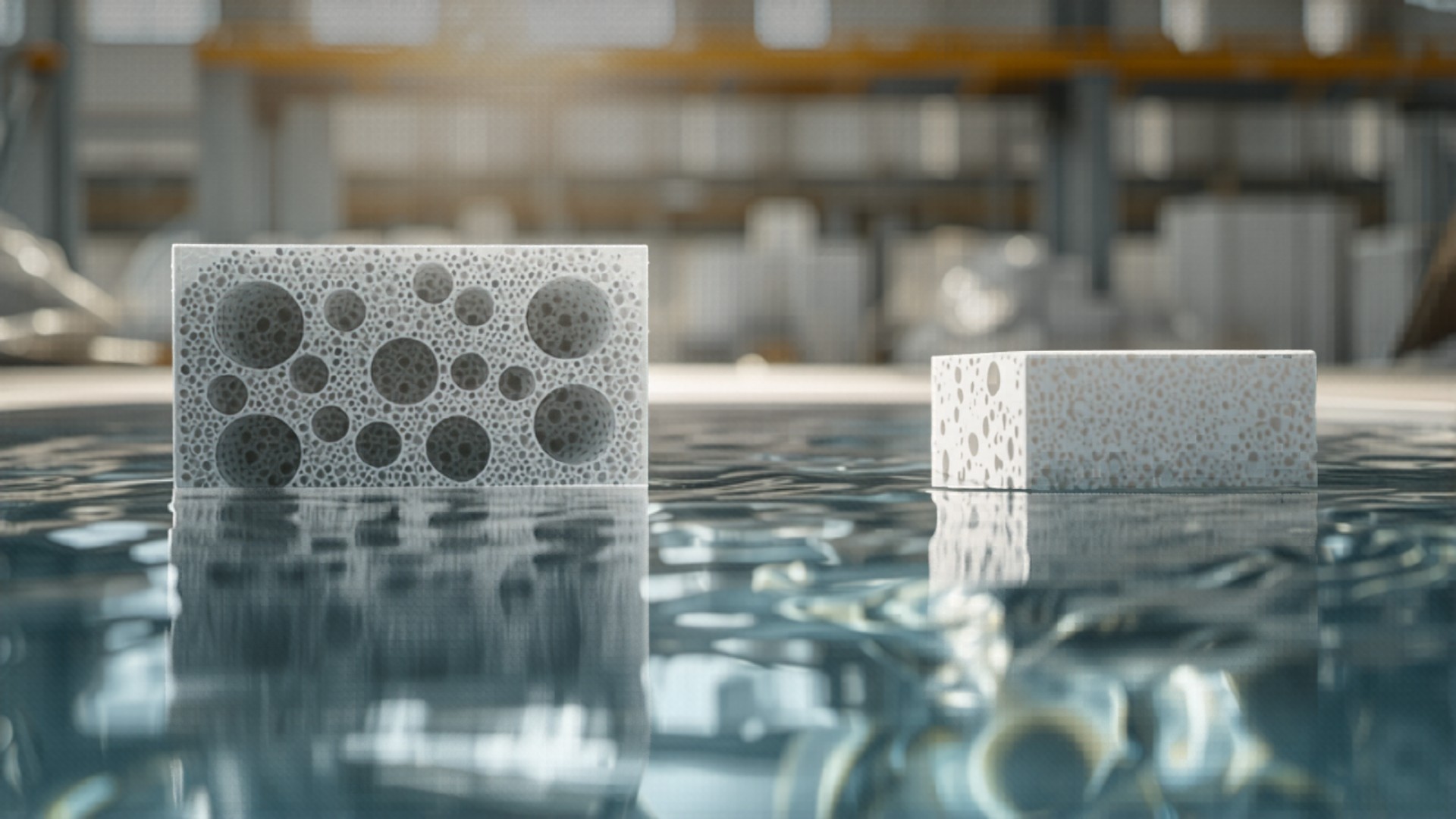
Air-entrained concrete is made by mixing a small quantity of air-entraining agent or by using air-entraining cement. These agents incorporate millions of non-coalescing air bubbles which act as flexible ball bearings, modifying workability, segregation, bleeding, and finishing quality.
Air entrainment also breaks the continuity of capillaries and modifies hardened concrete properties regarding frost resistance and permeability: air-entrained concrete remains durable after 300 freeze-thaw cycles compared with conventional concrete. In pervious concrete, air entrainment improves workability, reducing overall porosity and increasing unit weight.
Foaming agent is an indispensable component in the preparation of foam concrete using prefabricated foams, introduced directly into fresh cement pastes or mortar to form a hardened porous body. The content, shape, structure, and distribution of air pores rely on the properties of the foams, the cement paste, and their interaction.
Foaming agents are extensively used in the production of lightweight (cellular) concrete. The cellular structure reduces weight while maintaining strength, ideal for precast elements, floor and roof toppings, and insulation panels. Foamed mixtures can also be injected into cracks for filling and repair, providing structural stability and preventing further damage.
Expanded Polystyrene (EPS) is a rigid, closed-cell, thermoplastic foam material produced from solid beads of polystyrene containing an expansion gas (pentane). When heated with steam, the beads expand to roughly 40 times their original volume, and can be moulded into customised shapes.
EPS concrete (EPScrete) is a lightweight concrete constructed from cement and expanded polystyrene as a lightweight aggregate, ideal where little structural support is needed but significant thermal insulation is required, such as non-structural thermal barriers and levelling applications.
Specialised construction chemicals that address critical points in the concrete construction process, from substrate preparation to finished surface protection, optimising results at every stage.

Concrete bonding agents are natural or synthetic materials used to join old and new concrete surfaces, or successive concrete layers, allowing different surfaces to behave as a single unit and increasing the strength and performance of the structure.
Cement in a concrete mix has no inherent bonding agent: when fresh concrete is added over an existing layer, the two exist as separate layers without a bond, so a bonding agent must be introduced between them.
CBOND 111 is an SBR-based bonding agent: a modified styrene butadiene emulsion mixed with cement slurry, mortar, concrete, or cementitious grout for improved adhesion and water resistance. It is fully soluble in water and added directly to the gauging water.
Curing is one of the most important tasks after placing concrete. In its early life, concrete must be cured to minimise plastic shrinkage and ensure adequate surface strength and surface-zone durability, while being protected from harmful weather, freezing, vibration, impact, or damage.
Maintaining water saturation of very large surfaces such as floors or road pavements is often impossible, so a sprayed curing compound forms a coating that protects the concrete against excessive water evaporation. The film acts as a barrier to moisture loss, reduces desiccation, helps water retention, and ensures more complete cement hydration.
Our range includes acrylic resin based, aluminium resin based, and wax based curing compounds. The flagship CKURE 302-Al aluminised compound creates a reflective barrier that minimises heat build-up in mass concrete.
Concrete mould release agent, commonly known as shuttering oil or mould oil, is applied over plywood or metal forms before pouring concrete, providing a barrier between the concrete and the formwork.
Using a mould release agent enhances the surface finish of the concrete, producing smoother, aesthetically pleasing surfaces, while extending formwork service life and reducing cleaning between pours.
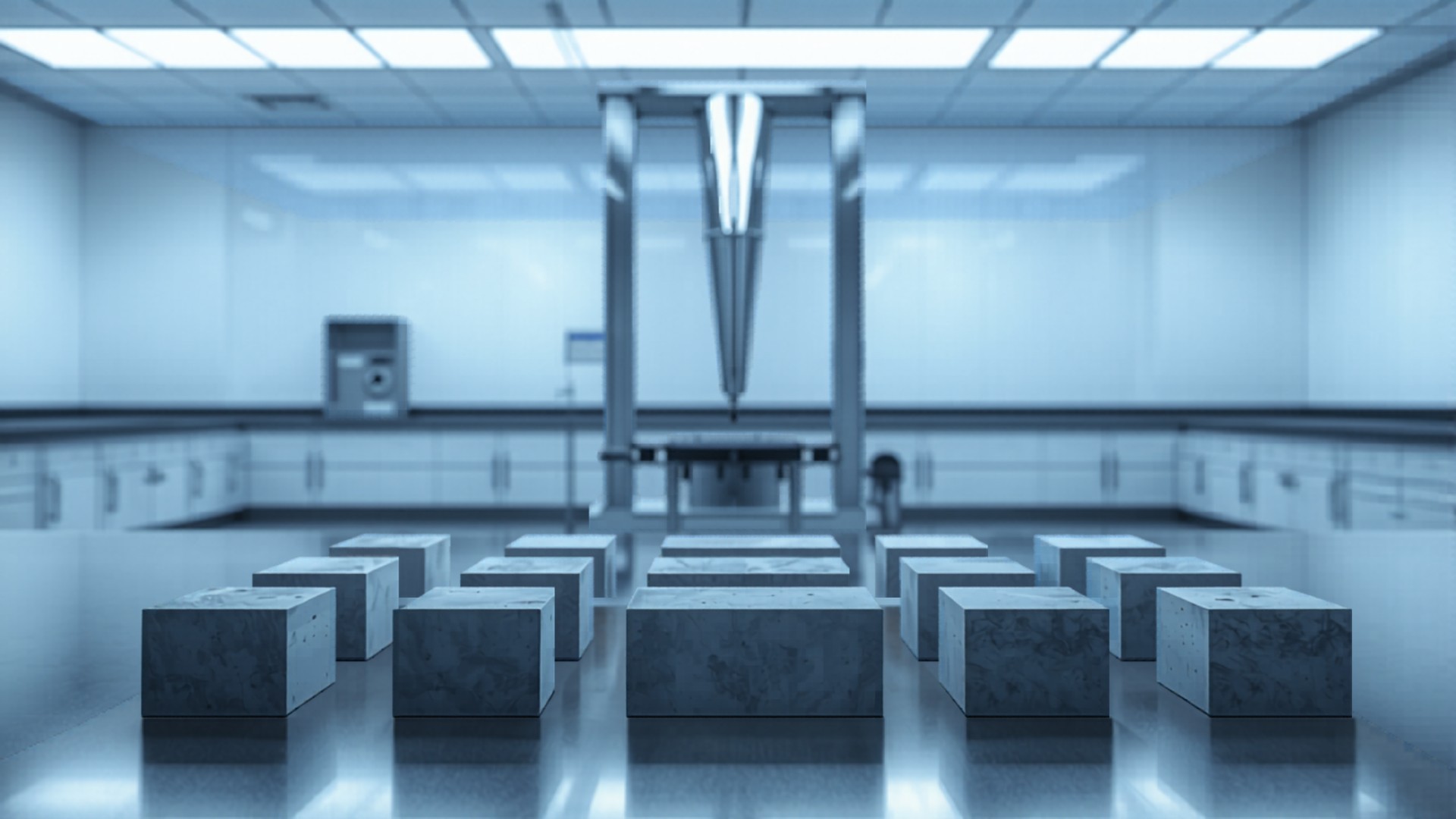
Every formulation is validated in our fully equipped R&D concrete labs.
SNF (Sulphonated Naphthalene Formaldehyde) and PCE (Polycarboxylate Ether) superplasticizers work through different dispersion mechanisms. SNF admixtures use electrostatic repulsion to disperse cement particles and typically provide 16-25% water reduction with 1-3 hours of slump retention. They're cost-effective for general applications.
PCE admixtures use steric hindrance (physical separation) through their comb-polymer structure, achieving 25-40% water reduction with significantly longer slump retention. While more expensive than SNF products, PCEs require lower dosages and deliver superior performance for high-performance concrete, self-compacting mixes, and challenging placements.
Selecting the appropriate admixture depends on several factors:
Our technical team can conduct trial mixes to determine the optimal admixture type and dosage for your specific project requirements.
Our admixtures are formulated to work with a wide range of cement types, including OPC, PPC, PSC, and composite cements. However, cement chemistry can significantly influence admixture performance.
For optimal results, we recommend preliminary compatibility testing, especially with cements with high C3A content, rapid-setting cements, high-alkali cements, and cements containing significant limestone filler. Our technical team conducts compatibility assessments and can recommend formulations tailored to your cement characteristics.
Waterproofing should be integrated into project planning from the earliest design stages. Critical applications include below-grade structures (basements, underground parking, foundations), water-containing structures (tanks, pools, treatment facilities), exposed horizontal surfaces (rooftops, terraces, balconies), wet areas, and marine or coastal structures.
Implementing waterproofing during initial construction is significantly more cost-effective than remedial treatments.
Integral waterproofing admixtures are added during mixing, creating a hydrophobic matrix throughout the concrete mass. Best for new construction with moderate hydrostatic pressure.
Crystalline waterproofing systems form insoluble crystals in pores and microcracks, provide self-healing for hairline cracks, and resist high hydrostatic pressure from either side. Suitable for both new construction and remedial applications.
Surface-applied water repellents create an invisible hydrophobic zone that prevents absorption while allowing vapour transmission. Ideal for existing structures and vertical surfaces where hydrostatic pressure is minimal.
Integral waterproofing admixtures become a permanent part of the concrete matrix and typically remain effective for 50+ years under normal conditions. Crystalline systems improve with age as crystallisation continues whenever moisture is present. Surface-applied water repellents typically provide 7-15 years of protection depending on exposure, preparation, and application quality.
For critical applications, we recommend a multi-layer approach combining different systems for redundancy and comprehensive protection.
Contact us for any solution: our technical experts are a call away.